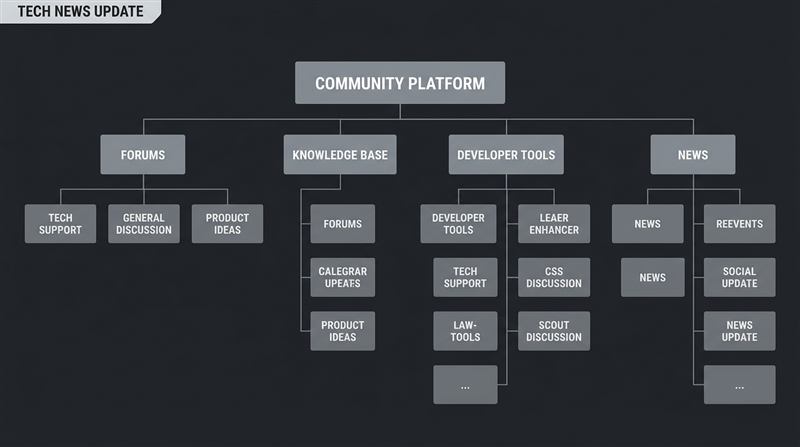
Nexus has reorganized its product category taxonomy following a two-month community consultation process. The restructuring consolidates overlapping subcategories, introduces new top-level sections that reflect how users actually search, and retires categories that had fewer than a threshold number of active listings. Existing listings have been automatically migrated to the most appropriate new category, with vendors notified of any changes affecting their store.
Why the Old Structure Needed Revision
The original category hierarchy was designed when the marketplace launched and reflected an early-stage understanding of what vendors would list and how buyers would search. Over time, organic growth produced an unwieldy structure: popular categories spawned numerous subcategories, some of which had only a handful of listings. Buyers reported difficulty finding what they were looking for, and vendors reported uncertainty about which category best represented their products.
Analysis of search behavior revealed that many users bypassed the category tree entirely and relied on keyword search, suggesting the taxonomy was not serving its discovery purpose. The consultation process confirmed these findings and generated over 800 specific suggestions from the community. The development team reviewed and incorporated 73% of the suggestions into the new structure.
Key Structural Changes
The most significant change is the consolidation of the substances section. What was previously 14 subcategories has been streamlined to 7 clearly defined divisions, with consistent naming conventions. The digital goods section has expanded to reflect the growth of software, accounts, and data-related listings. A new services section formalizes listings that were previously scattered across several parent categories.
Each category now displays an item count and a freshness indicator -- the date of the most recent listing update within that category. This helps buyers assess category activity before navigating into it. Search relevance has been improved by reindexing all listings against the new category structure and updating the keyword extraction model that feeds the search engine.
Vendor Migration and Compliance
All existing listings were migrated automatically. Vendors whose listings were moved to a different category received an in-platform notification and have a 30-day window to review and adjust their category selection. During this window, listings are flagged as "Category Updated" so buyers are aware the placement may not yet reflect vendor review. Vendors are encouraged to consult the updated category guide in the vendor handbook for detailed descriptions of each category's scope.
Category selection matters beyond discoverability: it affects which filter options appear on a listing's page and how it is indexed in search. Vendors who take time to review their category placement after this restructuring will likely see improved search visibility. For general platform guidance, the platform information page provides an overview of how listing visibility is determined. Category-specific questions can be submitted through the FAQ and support system.